The Software Graveyard
· HextGen Team
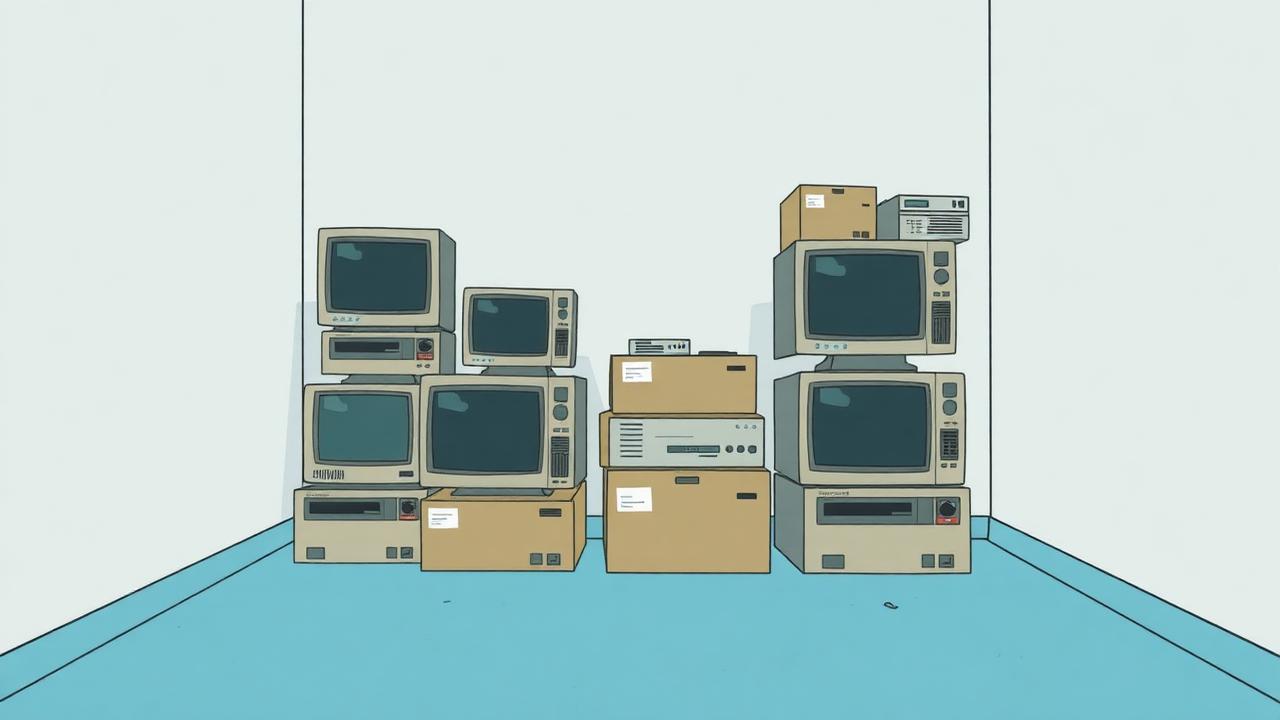
The Software Graveyard
Why the average Indian clinic has tried and abandoned three software platforms — and what it is costing them.
Somewhere in almost every Indian clinic, there is a software that nobody uses anymore. Sometimes two. Sometimes three. Each one purchased with optimism, implemented with effort and abandoned within months for the same reason the last one was abandoned.
The Scale of Software Abandonment
The software graveyard in India's standalone clinic ecosystem is an industry-wide pattern accumulated over two decades of healthtech investment that consistently prioritised features over usability, market expansion over market fit, and enterprise clients over the independent practitioners who represent the majority of India's private healthcare capacity.
Why Healthcare Software Fails to Achieve Adoption
Interface complexity that assumes a level of digital literacy most clinical staff in tier 2 and tier 3 environments do not have. Workflows designed for engineers, not for clinical staff. Training requirements incompatible with a busy clinic. Support systems that are responsive during sales and unavailable after implementation. Pricing models that do not reflect value to small and mid-sized facilities.
The Hidden Cost of Failed Implementations
A standalone clinic operating on paper rather than an effective HMS loses between 8% and 15% of potential revenue monthly to operational inefficiencies. Over 24 months of failed software implementation cycles, that loss compounds into a number orders of magnitude larger than the software investment itself.
How HextGen AI Was Built to End the Cycle
Three years of ground research and over 2,000 conversations with clinic owners, doctors, pharmacists and staff produced one insight: the software that succeeds in Indian healthcare is not the one with the most features. It is the one staff actually use from day one without being asked twice.
The graveyard stops here.